From a Sun Lounger in Kefalonia to an AI Software Engineer
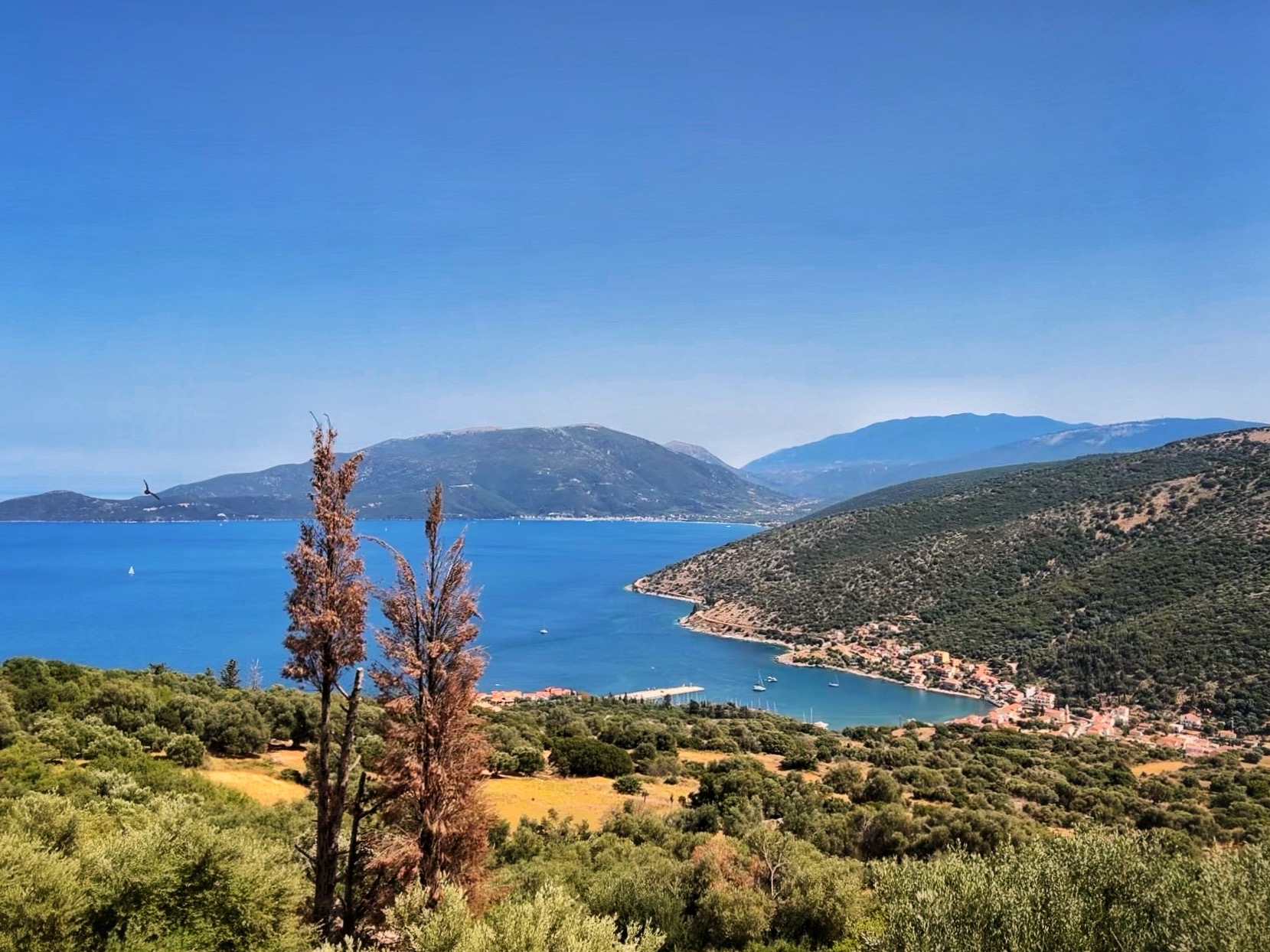
Two years ago, I was sat on a sun lounger in Agia Effimia, Kefalonia, looking out over the harbour while the rest of the family slept. I opened ChatGPT for help with a few Greek phrases and somehow ended up with the first version of this photography website.
That original morning still feels slightly absurd in the best possible way: the sparrows making a racket under the roof tiles, the Ionian light slowly changing, and me trying to work out whether an iPhone, a free GitHub Pages site, and a chatbot could become a real creative project. It turned out they could.
Now, two years later, I have found myself returning to the same little website with a very different kind of assistant. ChatGPT is still here, but now Codex has joined the conversation: not just suggesting snippets, but behaving much more like an AI software engineer that can inspect the project, make changes across files, run checks, and prepare the work for review.
There is something quietly wonderful about that. The website that began as an experiment in curiosity has become an experiment in evolution. The first version was, in spirit, a sandcastle built before breakfast. This update felt more like inviting someone calm, capable, and relentlessly patient to help renovate it without knocking over the buckets.
The glamorous world of Git remotes
Of course, no technological adventure would be complete without at least one moment of heroic overthinking. At one point I spent a surprising amount of time investigating Git remotes, branches, pushing, upstreams, and all the mysterious plumbing that makes GitHub both brilliant and occasionally like being handed a map written in ancient runes.
Eventually, after all that careful detective work, I discovered the answer was the large “Create PR” button. It had been sitting there, generously obvious, while I was rummaging around in the engine room with a torch.
I choose to call this learning.
The real gift: removing the activation energy
It would be easy to say the impressive thing is that AI can write code quickly. And yes, it can. But that was not the biggest benefit for me.
The real benefit was that it removed the activation energy.
Most creative and technical projects do not fail because we lack ideas. They fail because the first step is too heavy. We need to remember how the site is structured, decide where to start, check what changed last time, avoid breaking something, and somehow keep enough momentum to get from “I should really update that” to “I have actually updated that.”
Codex helped with that gap. It did not make the decisions for me, and it did not replace the personal voice of the site. What it did was make starting feel possible. It turned a vague intention into a practical sequence of small, manageable steps.
The magic was not speed. The magic was motion.
A photography website, still
This matters to me because the site is not really about code. It is about photographs, places, memory, and the strange little stories that attach themselves to images. It is about Kefalonia mornings, turtles in Argostoli harbour, Suffolk forests, and skies over Lapland that make you feel properly, usefully small.
The technology is the scaffolding. The photographs and reflections are the point. But better scaffolding means I am more likely to keep building, sharing, and learning.
Agency
That is what leaves me optimistic. Not because everyone suddenly needs to become a professional developer, but because more people may now have the agency to create things that previously sat just out of reach.
If you could not afford a specialist developer, a designer, or a technical consultant, perhaps that used to mean your idea stayed in a notebook. Now it might become a website, a tool, a small business, a community project, a teaching resource, a gallery, or something wonderfully odd that nobody else would have thought to commission.
There will still be complexity, judgement, and craft. Expertise still matters. But the distance between an idea and a first working version is shrinking, and that feels significant.
Two years ago, a sun lounger in Kefalonia gave me just enough quiet to start. This time, an AI software engineer helped me pick the thread back up. I am still not entirely sure I can sit still and simply enjoy the view — but at least now the website is evolving while I try.
– Stuart Leach